Guess Who's Getting Sued Again!?
Published by Kirstyn M. Yancy, May 20, 2026 - 3 min. read
“Just run Facebook ads.”
“Boost a post.”
“Put more money into Meta.”
To be fair, sometimes it works; for the right industry, that's not bad advice.
Sometimes it works really well.
But the ongoing lawsuit involving DZ Reserve v. Meta (Facebook) is another reminder of something many small business owners have quietly suspected for years:
You cannot build your entire business on someone else's business model.
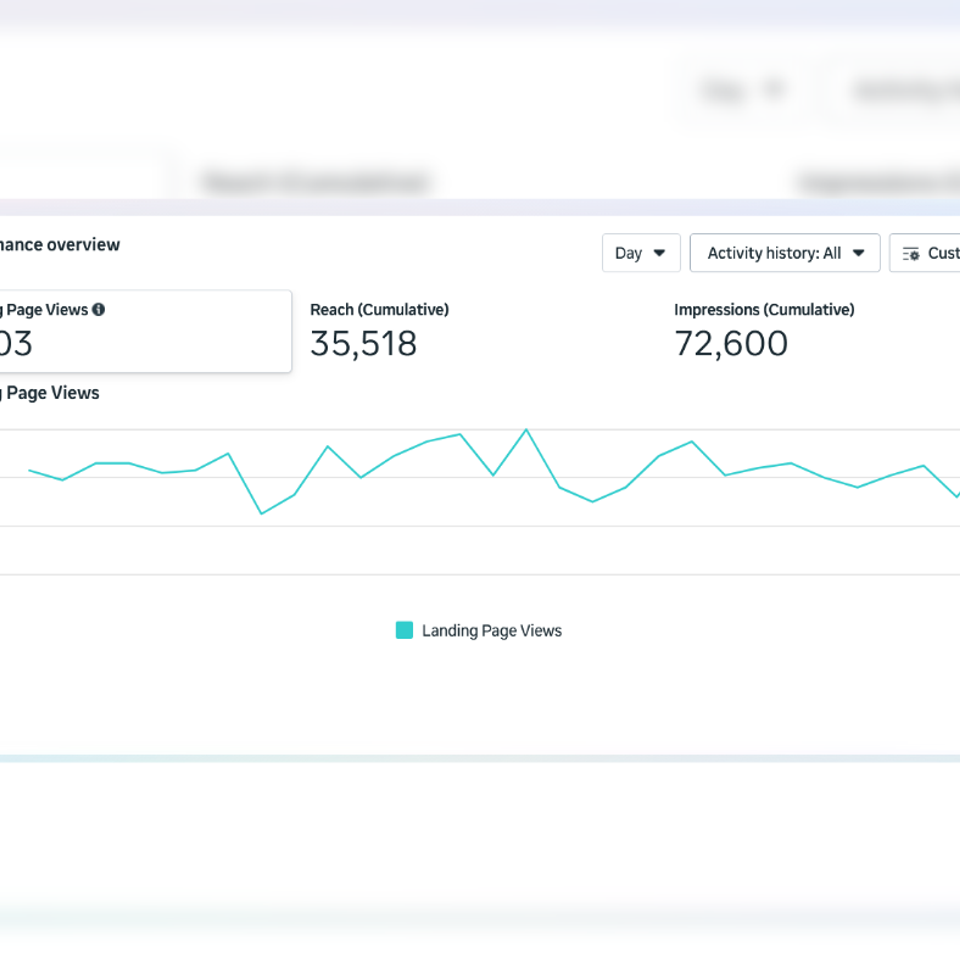
According to the lawsuit, advertisers claim Meta inflated the estimated “Potential Reach” numbers shown inside Facebook and Instagram Ads Manager, allegedly making audiences appear larger than they actually were due to duplicate and fake accounts being included in estimates. Court documents and rulings show the case has continued moving forward through federal courts, including the U.S. Supreme Court declining to stop the class action from proceeding.
That matters because countless businesses based their advertising decisions (and advertising budget) on those numbers.
The lawsuit itself is important. But honestly, the bigger issue is what it represents:
Too many businesses have become completely dependent on platforms they do not own.
If Facebook changes the algorithm tomorrow? You have to learn to adjust.
If ad costs double? You're stuck paying more.
If your page gets restricted accidentally?
Good luck finding support.
If your account gets hacked or suspended?
Your leads can disappear overnight. (we've got a couple horror stories about this scenario right here...)
That’s the danger of building your entire marketing strategy around a third-party platform.
This is where small businesses still have a major advantage over giant corporations.
It's called accountability.
A local roofing company in North Carolina cannot afford to destroy its reputation.
A local landscaper cannot hide behind a billion-dollar PR department.
A family-owned HVAC company depends on its community trusting its name.
That still matters.
Small businesses live and die by:
Facebook and Instagram absolutely still have value:
Your actual foundation should be:
When someone bookmarks your website, that’s ownership.
When someone calls you directly because a neighbor referred you, that’s trust.
A lot of small businesses fell for the fallacy "social media replaced marketing."
It didn’t.
It just made marketing feel easier for a while — for some.
And now many businesses are discovering:
At the end of the day, your website is still your business’s central online presence.
It is the place where:
Because platforms come and go. (who remembers Myspace??) Algorithms change constantly. Lawsuits happen. Policies shift overnight.
Historically speaking, the businesses that focus on marketing holistically (digital marketing, word-of-mouth, networking etc.), working alongside their local partners - centered around trust, visibility, reputation, and long-term strategy - are the ones still standing years later.
The Facebook ads lawsuit is not just a legal story. It is another reminder that businesses should never rely entirely on a single platform to carry their growth.
You're not seeing double - or reading double. Facebook (Meta) is being sued via a class-action lawsuit, again. Yes, again. This makes the fourth class-action lawsuit filed against the social media juggernaut. "Oh, four, that's not that bad considering..." Yeahhhh but no. They've been named in 100's to 1,000's of lawsuits in their 20-something years in business; no exact number can be nailed down due to out-of-court settlements, international this, that, the other, suits grouped into MDL's yada yada... So let's get this party started!
For years, small businesses have been told the same thing:“Just run Facebook ads.”
“Boost a post.”
“Put more money into Meta.”
To be fair, sometimes it works; for the right industry, that's not bad advice.
Sometimes it works really well.
But the ongoing lawsuit involving DZ Reserve v. Meta (Facebook) is another reminder of something many small business owners have quietly suspected for years:
You cannot build your entire business on someone else's business model.
According to the lawsuit, advertisers claim Meta inflated the estimated “Potential Reach” numbers shown inside Facebook and Instagram Ads Manager, allegedly making audiences appear larger than they actually were due to duplicate and fake accounts being included in estimates. Court documents and rulings show the case has continued moving forward through federal courts, including the U.S. Supreme Court declining to stop the class action from proceeding.
That matters because countless businesses based their advertising decisions (and advertising budget) on those numbers.
The Bigger Issue Isn’t Even the Lawsuit
The lawsuit itself is important. But honestly, the bigger issue is what it represents:Too many businesses have become completely dependent on platforms they do not own.
If Facebook changes the algorithm tomorrow? You have to learn to adjust.
If ad costs double? You're stuck paying more.
If your page gets restricted accidentally?
Good luck finding support.
If your account gets hacked or suspended?
Your leads can disappear overnight. (we've got a couple horror stories about this scenario right here...)
That’s the danger of building your entire marketing strategy around a third-party platform.
Local Businesses Are Different
This is where small businesses still have a major advantage over giant corporations.It's called accountability.
A local roofing company in North Carolina cannot afford to destroy its reputation.
A local landscaper cannot hide behind a billion-dollar PR department.
A family-owned HVAC company depends on its community trusting its name.
That still matters.
Small businesses live and die by:
- word of mouth
- repeat customers
- local reputation
- reviews
- referrals
- community trust
- long-term relationships
Social Media Should Be a Tool, Not the Foundation
Facebook and Instagram absolutely still have value:- brand awareness
- retargeting
- local visibility
- promotions
- community engagement
- showcasing projects
- staying top-of-mind
Your actual foundation should be:
- a professionally built website
- strong SEO
- Google visibility
- email lists (industry-dependent)
- customer databases
- reviews
- direct traffic
- branded search presence
- diversified marketing channels
When someone bookmarks your website, that’s ownership.
When someone calls you directly because a neighbor referred you, that’s trust.
The “Easy Way” Isn't the Best Way
A lot of small businesses fell for the fallacy "social media replaced marketing."It didn’t.
It just made marketing feel easier for a while — for some.
And now many businesses are discovering:
- ad costs are climbing
- organic reach keeps shrinking
- competition is brutal
- engagement numbers can be misleading
- vanity metrics don’t always equal revenue
Your Website Is Still Your Online Storefront
At the end of the day, your website is still your business’s central online presence.It is the place where:
- Google learns what services you offer
- your business gains its legitimacy
- people learn who you are, what you do, and how to get a hold of you
- people compare you against competitors
- leads convert into phone calls and form submissions
- your branding stays consistent regardless of platform changes
Because platforms come and go. (who remembers Myspace??) Algorithms change constantly. Lawsuits happen. Policies shift overnight.
Historically speaking, the businesses that focus on marketing holistically (digital marketing, word-of-mouth, networking etc.), working alongside their local partners - centered around trust, visibility, reputation, and long-term strategy - are the ones still standing years later.
The Facebook ads lawsuit is not just a legal story. It is another reminder that businesses should never rely entirely on a single platform to carry their growth.