
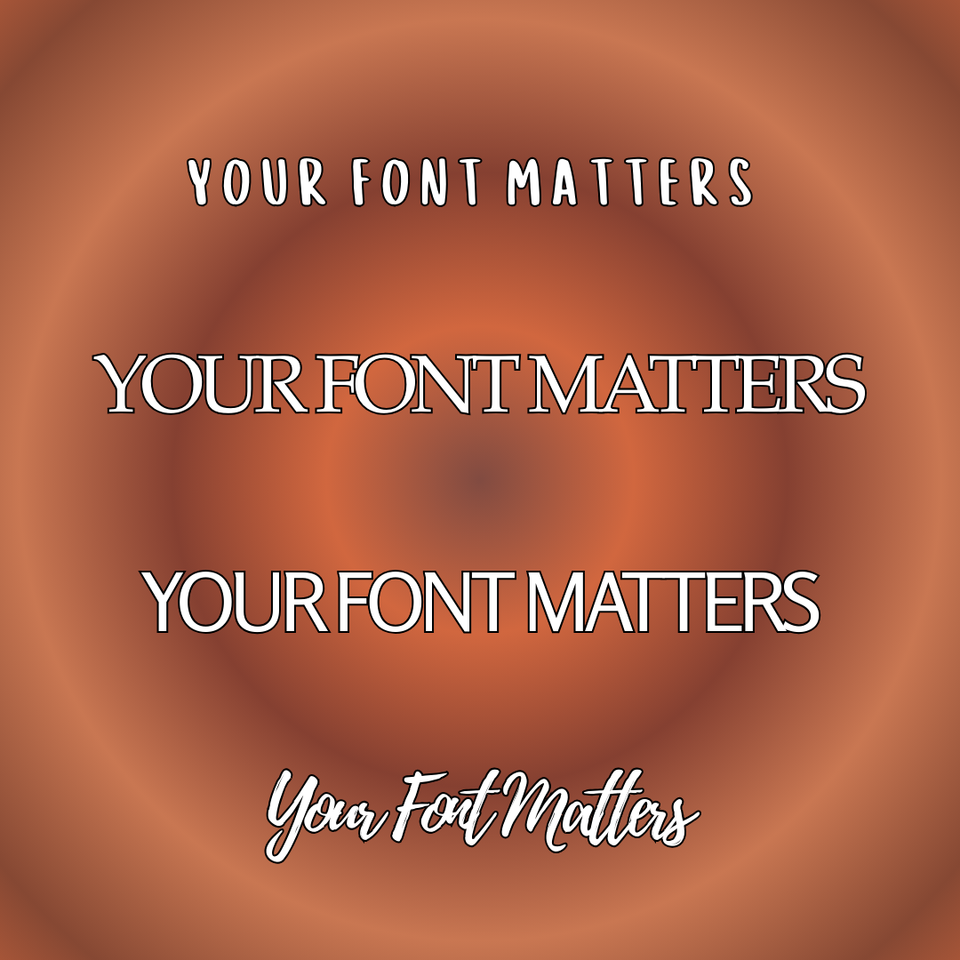
Why Font Style Matters on a Website
...and How to Choose the Right One
Published by Kirstyn M. Yancy, Mar. 13, 2026 - 3 min. read
Updated Mar. 16, 2026
Typography plays a bigger role in website performance than most people realize.
The font style used on your website affects readability, credibility, user experience, and even search engine rankings. The right typography makes content easy to scan, strengthens your brand identity, and helps visitors stay engaged long enough to become customers.
At TMS Digital, typography is treated as a strategic design decision, not just part of your website's aesthetics. Every font choice contributes to how visitors experience your brand online.
Let’s take a closer look at why website fonts matter and how to choose the right typography for your business website.
Typography isn’t just about aesthetics. It influences how users interact with your website and how they perceive your business.
Visitors typically form an opinion about a website within seconds. Typography plays a major role in that first impression.
Different font styles send different signals:
If the typography feels outdated, cluttered, or inconsistent, visitors may assume the same about the business itself.
For small businesses competing online, credibility matters; typography helps establish it immediately.
More than 90% of the information on most websites is text. If that text is difficult to read, users won’t stick around.
Clear headings, consistent body text, and proper spacing help users quickly understand your services and find the information they need.
This is especially important for local service businesses, where visitors often scan pages quickly looking for answers like:
Fonts are part of your brand voice.
Just like colors, logos, and imagery, typography communicates personality.
A website’s font choices should align with the overall brand message. For example:
A professional website design ensures typography aligns with your brand identity across every page.
Many business owners don’t realize that typography can indirectly affect search engine optimization.
Google pays close attention to user experience signals, including how visitors interact with a website.
If users land on a page and quickly leave because the content is difficult to read, that behavior can negatively affect search rankings.
That’s why typography is considered a UX design element as well as a branding decision.
Choosing the right typography involves more than personal preference. The goal is to balance branding, readability, and performance.
Here are the most important guidelines professional web designers follow.
A construction company, medical practice, and boutique retail shop all communicate differently. Typography should support that positioning.
Questions to consider include:
Even the most stylish font fails if it’s difficult to read.
Professional web design follows several readability guidelines:
Simplicity almost always results in a cleaner, more professional website. When all else fails, always turn to the K.I.S.S. theory.
Mobile traffic now accounts for the majority of website visits.
Fonts must display clearly on small screens while maintaining readability and structure.
Mobile-friendly typography includes:
Fonts are files that must load when a website opens.
Using too many fonts or font weights can slow down website performance. A professional web design strategy minimizes unnecessary font requests to keep pages loading quickly.
Fast websites not only improve user experience but also support stronger search engine rankings.
Many websites struggle with readability because of avoidable typography errors.
Some of the most common mistakes include:
A business website should do more than exist—it should convert visitors into leads and customers.
Typography plays a major role in making that happen.
Well-designed fonts help:
Typography is one of the most overlooked elements of website design, yet it has a major impact on how users experience a website.
The right fonts help visitors understand your message quickly, feel confident in your brand, and stay engaged long enough to take action.
For small businesses competing online, these details matter.
A well-designed website isn’t just about looking good—it’s about communicating clearly, building trust, and guiding visitors toward becoming customers.
And sometimes, the difference between a website that works and one that doesn’t comes down to something as simple as the right font choice.
Updated Mar. 16, 2026
Most of the time, when small business owners think about web design, they focus on colors, images, and messaging; fonts rarely get much attention.
Typography plays a bigger role in website performance than most people realize.
The font style used on your website affects readability, credibility, user experience, and even search engine rankings. The right typography makes content easy to scan, strengthens your brand identity, and helps visitors stay engaged long enough to become customers.
At TMS Digital, typography is treated as a strategic design decision, not just part of your website's aesthetics. Every font choice contributes to how visitors experience your brand online.
Let’s take a closer look at why website fonts matter and how to choose the right typography for your business website.
Why Typography Matters in Website Design
Typography isn’t just about aesthetics. It influences how users interact with your website and how they perceive your business.
1. Typography Creates Instant First Impressions
Visitors typically form an opinion about a website within seconds. Typography plays a major role in that first impression.Different font styles send different signals:
- Serif fonts feel traditional and trustworthy
- Sans-serif fonts feel modern and clean
- Script fonts suggest elegance or creativity
- Display fonts are bold and expressive
If the typography feels outdated, cluttered, or inconsistent, visitors may assume the same about the business itself.
For small businesses competing online, credibility matters; typography helps establish it immediately.
2. Readability Determines Whether Visitors Stay or Leave
More than 90% of the information on most websites is text. If that text is difficult to read, users won’t stick around.Poor typography can lead to:
Eye strain
Slower reading speed
Frustration navigating content
Higher bounce rates
Clear headings, consistent body text, and proper spacing help users quickly understand your services and find the information they need.
This is especially important for local service businesses, where visitors often scan pages quickly looking for answers like:
- What services do you offer?
- Do you serve my area?
- How do I contact you?
3. Typography Reinforces Your Brand Identity
Fonts are part of your brand voice.Just like colors, logos, and imagery, typography communicates personality.
A website’s font choices should align with the overall brand message. For example:
- Professional service businesses often use structured, easy-to-read fonts
- Creative businesses may incorporate expressive typography
- Modern tech companies tend to favor clean, minimal fonts
A professional website design ensures typography aligns with your brand identity across every page.
4. Typography Impacts SEO and User Engagement
Many business owners don’t realize that typography can indirectly affect search engine optimization.Google pays close attention to user experience signals, including how visitors interact with a website.
If users land on a page and quickly leave because the content is difficult to read, that behavior can negatively affect search rankings.
Good typography improves:
Time on site
Content engagement
Accessibility
Mobile usability
That’s why typography is considered a UX design element as well as a branding decision.
How to Choose the Right Font for Your Website
Choosing the right typography involves more than personal preference. The goal is to balance branding, readability, and performance.Here are the most important guidelines professional web designers follow.
Start With Your Audience and Industry
Your font style should reflect the expectations of your audience.A construction company, medical practice, and boutique retail shop all communicate differently. Typography should support that positioning.
Questions to consider include:
- Who is your target audience?
- What tone should your brand convey?
- What do successful competitors in your industry use?
Prioritize Readability Above Everything
Even the most stylish font fails if it’s difficult to read.Professional web design follows several readability guidelines:
- Body text should typically be 16px or larger
- Line spacing should provide comfortable reading flow
- Text should contrast clearly with the background
- Paragraphs should be broken into digestible sections
Limit the Number of Fonts - for the love of all that's holy, if you don't follow any other guideline, PLEASE, follow this one. Too many fonts is over-stimulating, and we are overstimulated on a daily basis from our daily activities; don't add unnecessary stress to those trying to do business with you!
This is one of the most common website design mistakes is using too many fonts - especially the DIYer.A well-designed website typically uses:
One primary font for body text
One complementary font for headings
Occasionally a third accent style
Simplicity almost always results in a cleaner, more professional website. When all else fails, always turn to the K.I.S.S. theory.
Optimize Typography for Mobile Devices
Mobile traffic now accounts for the majority of website visits.Fonts must display clearly on small screens while maintaining readability and structure.
Mobile-friendly typography includes:
- Responsive font sizing
- Proper spacing between lines and sections
- Easy-to-tap navigation elements
- Clear headings for scanning content
Consider Website Speed and Performance
Fonts are files that must load when a website opens.Using too many fonts or font weights can slow down website performance. A professional web design strategy minimizes unnecessary font requests to keep pages loading quickly.
Fast websites not only improve user experience but also support stronger search engine rankings.
Common Typography Mistakes Businesses Make
Many websites struggle with readability because of avoidable typography errors.Some of the most common mistakes include:
Using decorative fonts for large blocks of text
Writing long sections in ALL CAPS
Low contrast between text and background
Using too many font styles on one page
Ignoring spacing and visual hierarchy
Why Professional Typography Matters for Small Business Websites
A business website should do more than exist—it should convert visitors into leads and customers.Typography plays a major role in making that happen.
Well-designed fonts help:
- Build trust with potential customers
- Improve website readability
- Support brand identity
- Guide visitors toward important actions
- Enhance overall user experience
Final Thoughts
Typography is one of the most overlooked elements of website design, yet it has a major impact on how users experience a website.The right fonts help visitors understand your message quickly, feel confident in your brand, and stay engaged long enough to take action.
For small businesses competing online, these details matter.
A well-designed website isn’t just about looking good—it’s about communicating clearly, building trust, and guiding visitors toward becoming customers.
And sometimes, the difference between a website that works and one that doesn’t comes down to something as simple as the right font choice.